
7 Ground Cover Plants That Attract Bees & Butterflies
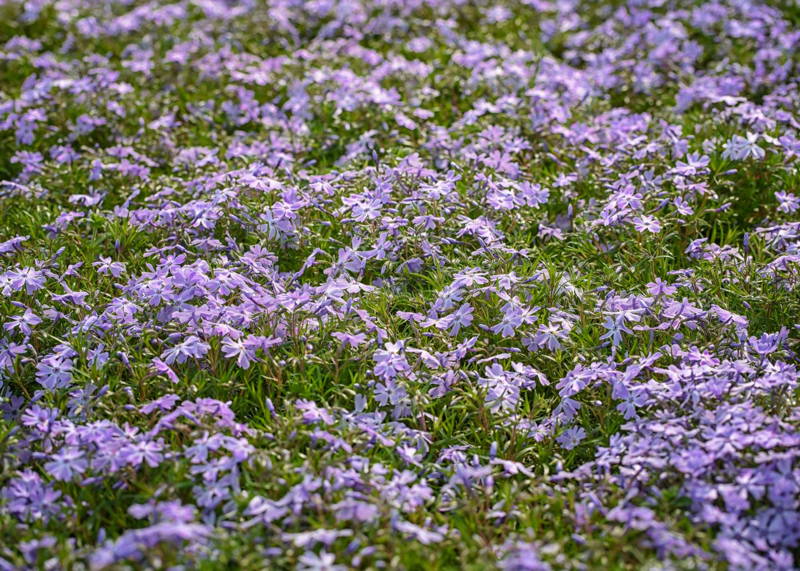
Ground covers are low-growing plants, typically less than 12 inches tall, used for a flurry of landscape projects, including creating no-mow lawns, filling gaps between stepping-stone pathways, or serving as underplantings for larger perennials and shrubs. From glorious foliage that adds evergreen beauty to vibrant flowers that create a sea of blooms, ground covers are versatile additions that add easy-care texture and color to pollinator gardens! Here, we list some of our favorite ground covers that attract bees, butterflies, and a flurry of other pollinating insects.
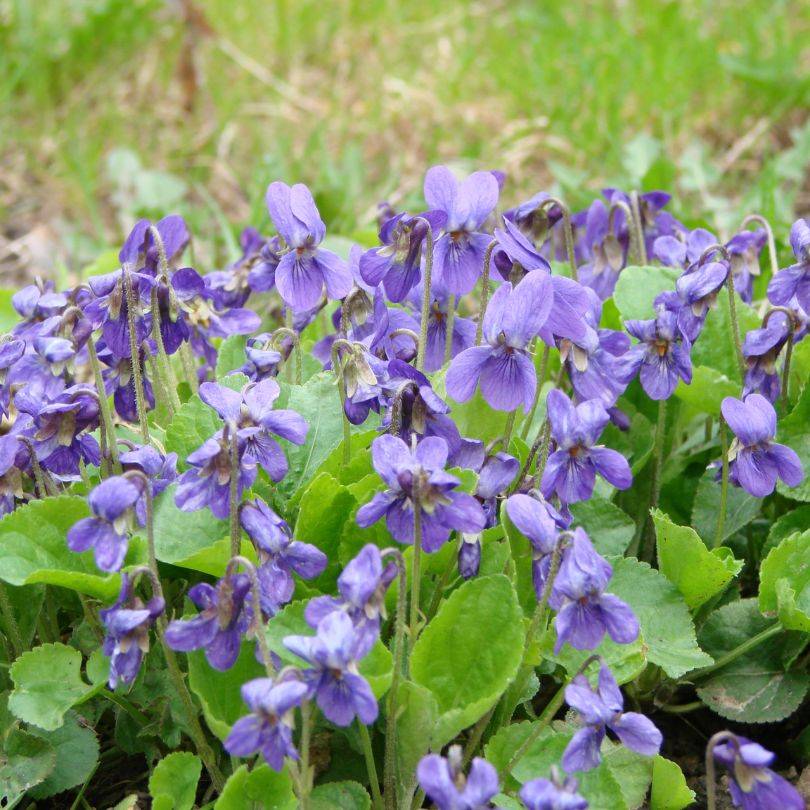
Violet (Viola)
Violet is an old-fashioned, charming ground cover, known for creating a carpet of low-growing purple flowers in spring. The flowers will continue to rebloom until the first frost, adding long-lasting color to the landscape. It prefers moist, shady soils, making it great for filling woodland areas with darling flowers. Pollinators, especially honeybees, love the bright, nectar-rich blooms from violet flowers, and this perennial even serves as a host plant to fritillary butterflies.
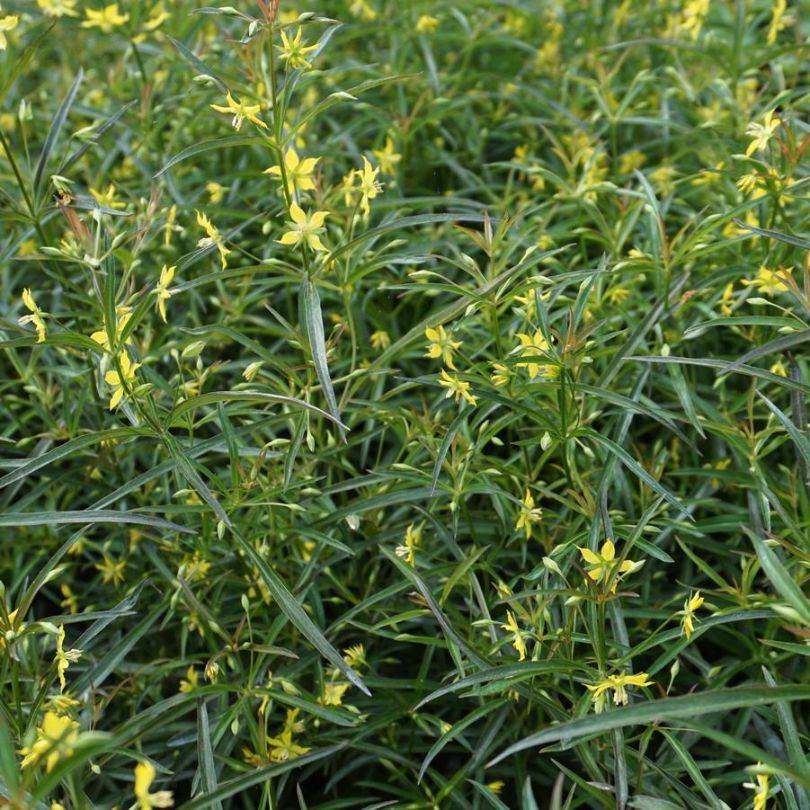
Lance-Leaved Loosestrife (Lysimachia)
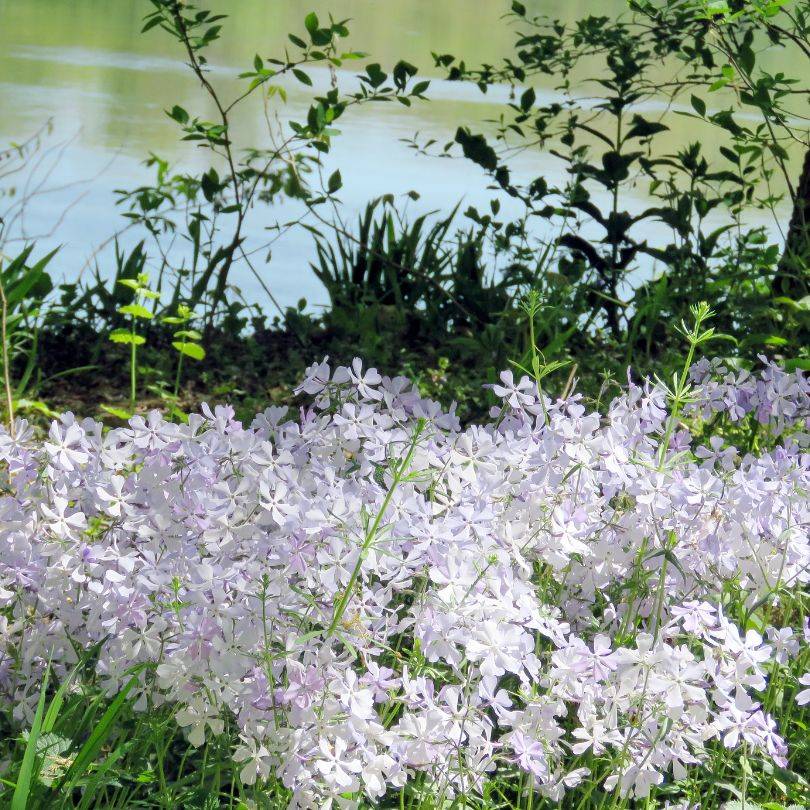
Woodland Phlox (Phlox divaricata)
Woodland phlox forms a carpet of vibrant, dainty blooms from early to late spring, a welcome sight after a long winter. This type of phlox blooms a little earlier than other phlox species, providing an early-season food source for new and active pollinators. While the flowers may be small, their impact is mighty, with pollinators like bees and butterflies flocking to the matt of nectar-filled flowers. Plant woodland phlox in masses to create a no-mow lawn, or plant in garden beds to cover spent annual bulbs.
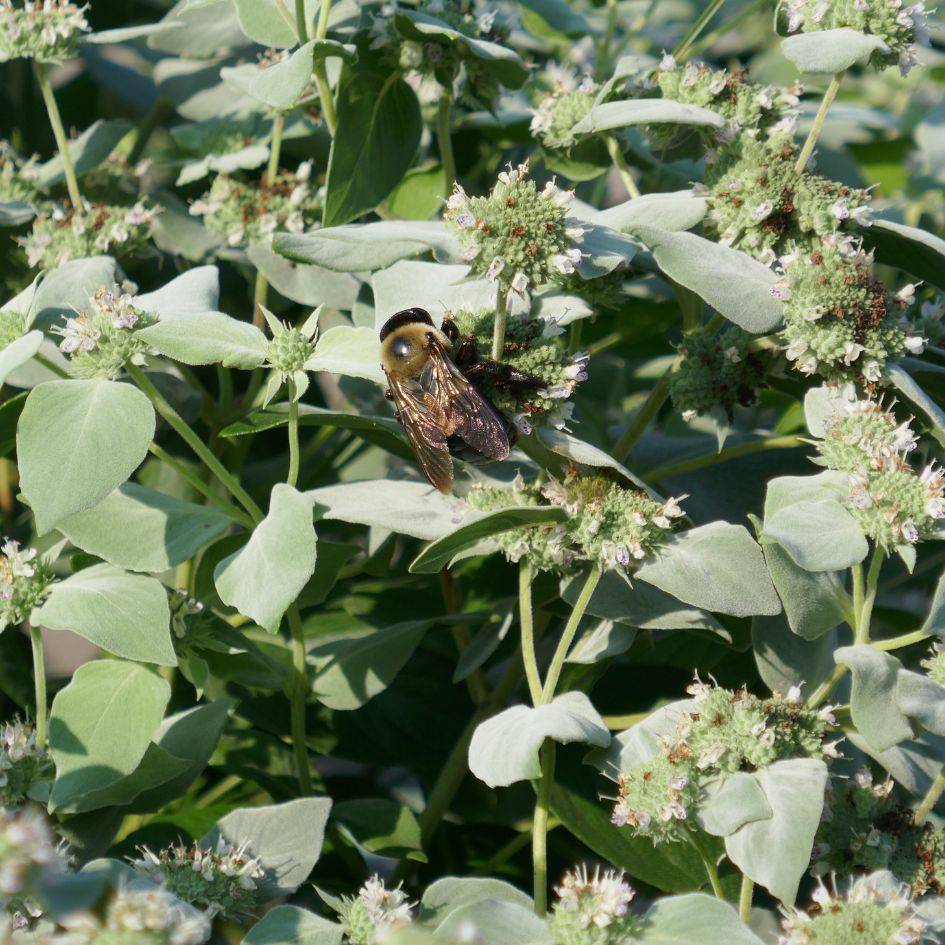
Mountain Mint (Pycnanthemum muticum)
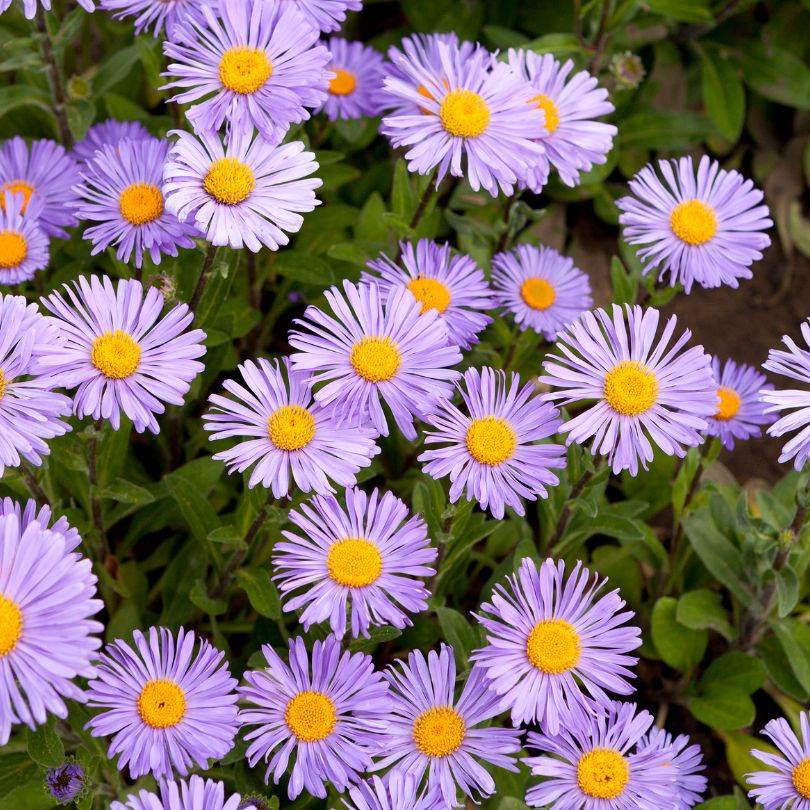
Aster (Symphyotrichum)
The irresistible nectar of aster blooms aren't just captivating: they act as a beacon for butterflies, bees, and other beneficial insects late in the season when they need it most. Aster begins blooming in late summer and continues until the first frost, providing a pop of late-season color. Use aster to add mounds of daisy-like blooms to garden borders, or splice between other sun-loving native perennials in a prairie. Aster is known to self-seed, creating more and more nectar-rich blooms for late-season pollinators every year.
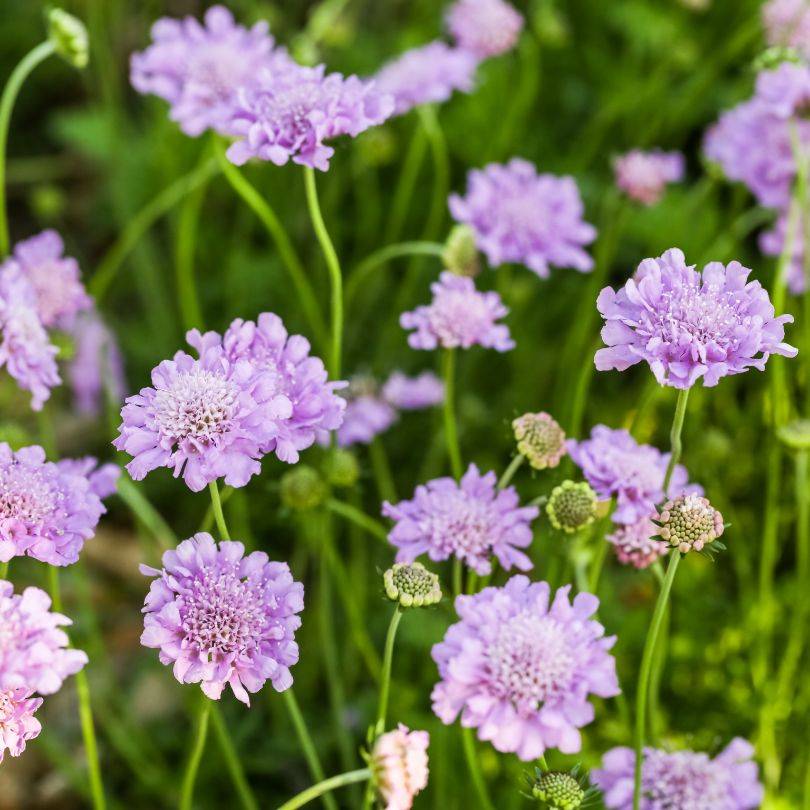
Pincushion Flower (Scabiosa)
Pincushion flower is one of the best plants you can grow if you want to attract butterflies to your garden! The open-faced frilly blooms resemble pincushions and are full of nectar, providing easy access for the long proboscis (butterfly tongue). Reaching just over 1ft tall, this petite perennial is perfect for adding low-growing beauty to small spaces, such as borders and hedges, or even containers.
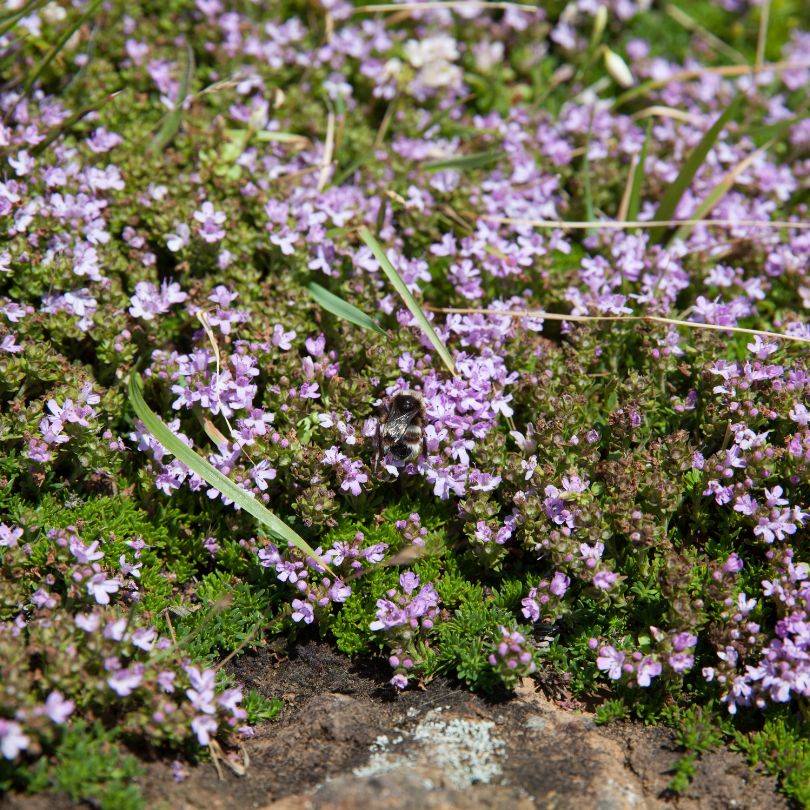
Woolly Thyme (Thymus pseudolanuginosus)
Shop all perennials for sale:
Written by: Lindsey Griffith
Lindsey is a Zone 6B gardener and pollinator advocate, educating and providing resource material for building gardens that support pollinators like bees, butterflies, hummingbirds, and other beneficial insects. She is educated in landscape design, pollinator preservation, and the foundations of gardening and is ready to help keep your garden buzzing with activity!
If you have questions, let us know! Comment your questions below or reach out through our contact us page. We have a team of horticulturalists who are here to help!