
10 Dog-Friendly Plants For Pollinator Gardens
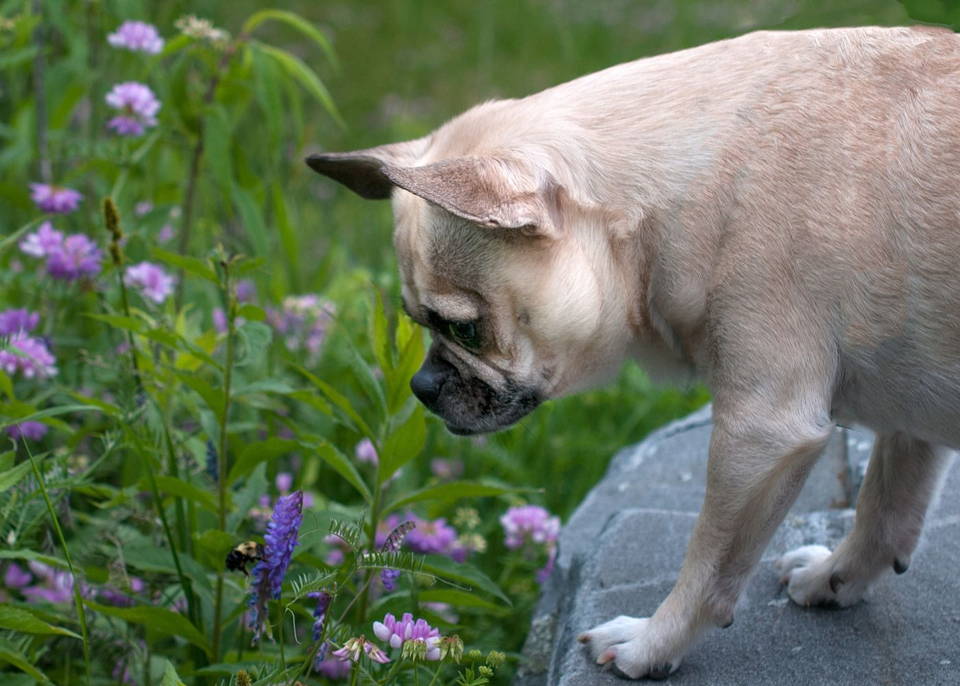
Adding nectar-rich plants to the landscape can help attract and support your local bees, butterflies, and hummingbirds. Whether it's adding native interest to a perennial border or decking out a patio container, there are a plethora of pollinator plants that can suit your unique landscape needs. When planting in family living spaces like backyards or near decks or patios, some gardeners may be seeking non-toxic plants that feed the local pollinators but also won't cause GI upset if their dog takes an accidental nibble. So if you're looking to attract more pollinators but are worried about your furry friends, consider adding these dog-friendly pollinator plants to your landscape.
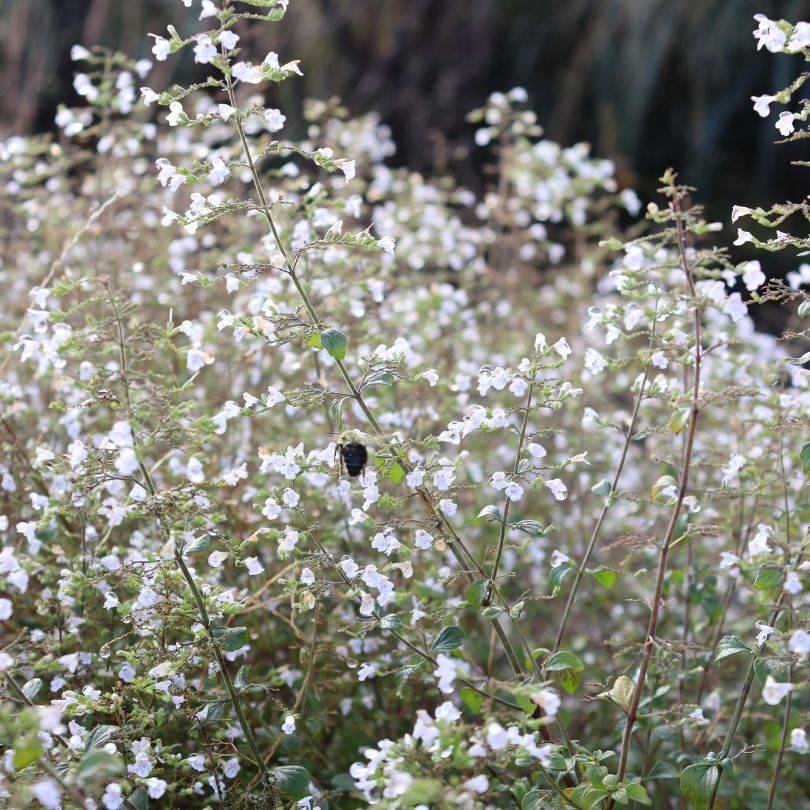
Calamint
(Calamintha nepeta)
Zones: 5-7
No other perennial is as easy to care for, durable, and beginner-friendly as calamint. Its abundant confetti-like flowers and aromatic foliage make it easy to see why calamint has become a garden staple destined to succeed. Calamint is also dog- and cat-friendly, so you can garden without worry.
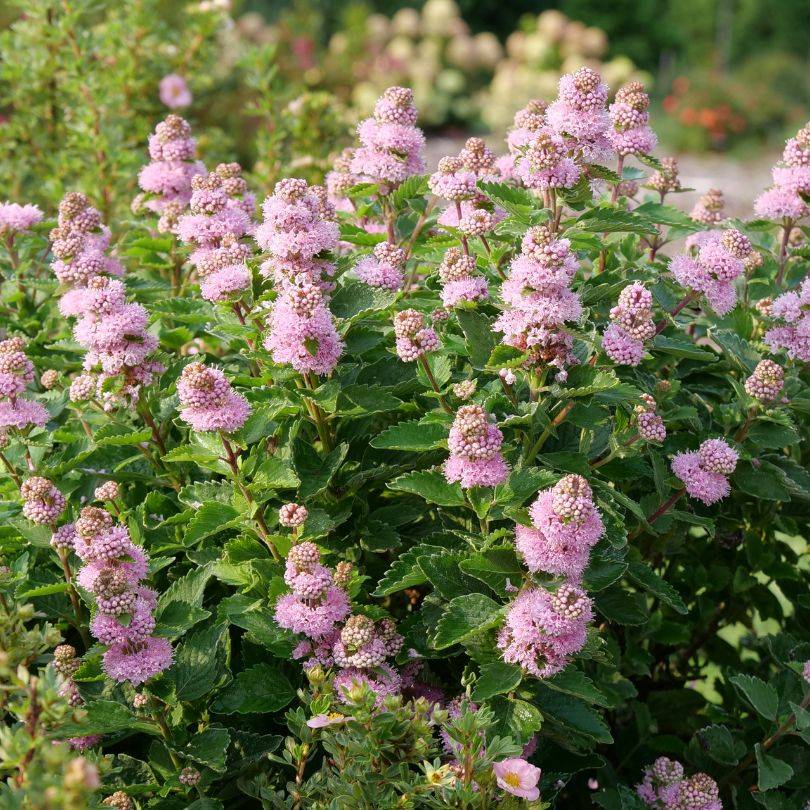
Bluebeard
(Caryopteris)
Zones: 5-9
Bluebeard is a flowering perennial with unique flower spires that start blooming in midsummer and continue to add interest well into fall, with pollinators like bees and butterflies enjoying the late-season nectar. As a bonus, bluebeard is pet-friendly, making it perfectly suited for planting near family living spaces.
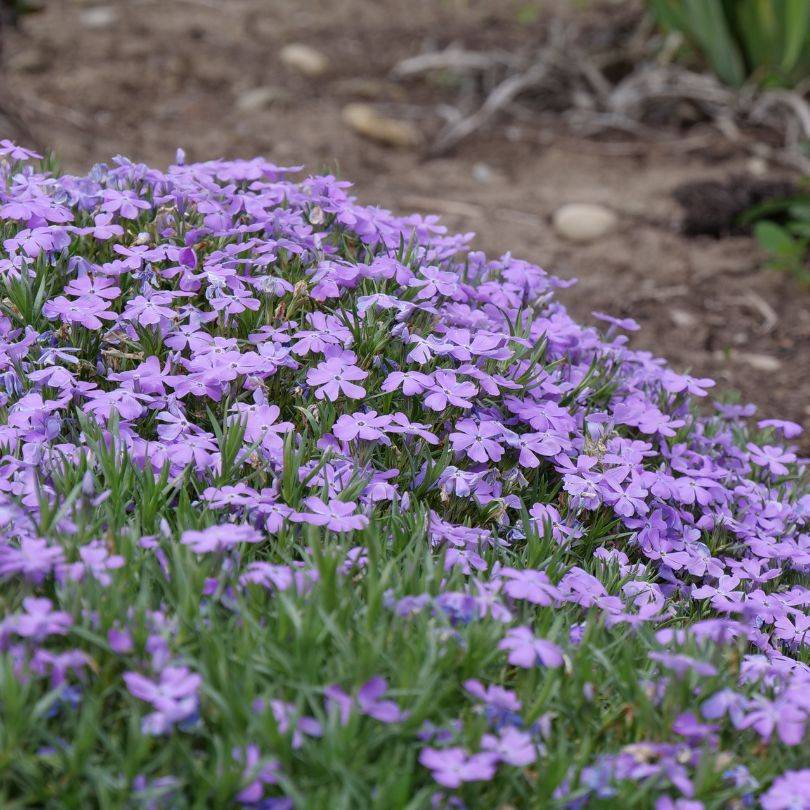
Phlox
(Phlox subulata)
Zones: 3-9
This is one of the very earliest-to-bloom phlox, so it not only satisfies the winter-weary gardener but provides a vital food source for awakening and returning pollinators. It is very memorable when planted in woodland gardens combined with spring ephemerals or used as a mass planting under trees.
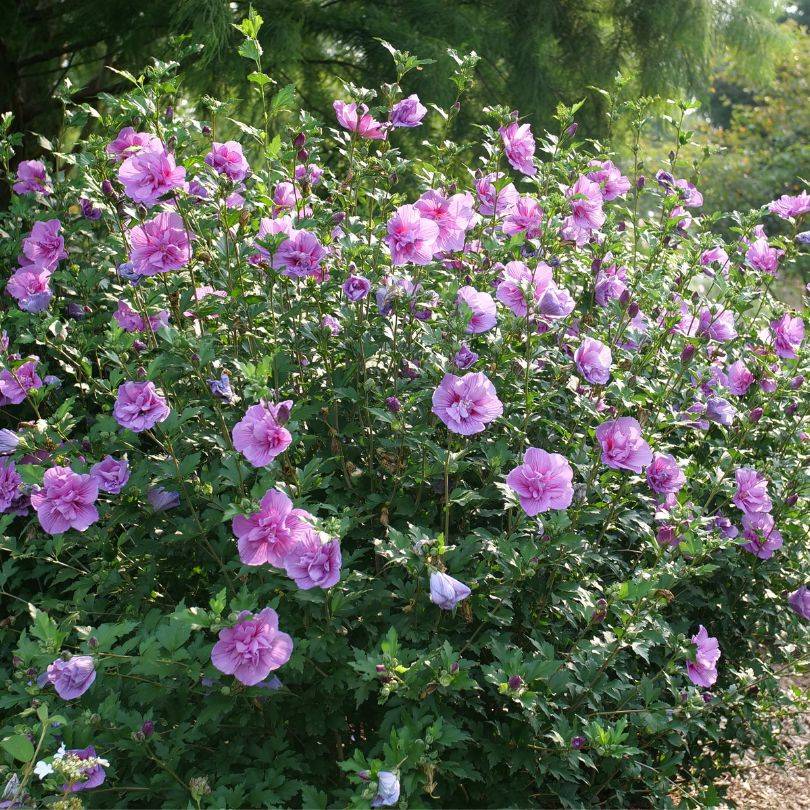
Rose of Sharon
(Hibiscus syriacus)
Zones: 5-9
Rose of Sharon is a popular landscaping shrub that grows in an upright, columnar habit and features large, tropical-looking hibiscus flowers. Because it's pet-safe and has a versatile habit, rose of Sharon has become quite popular with home gardeners and is commonly used to add vibrant flowers and pollinator appeal, lining hedges or siding.
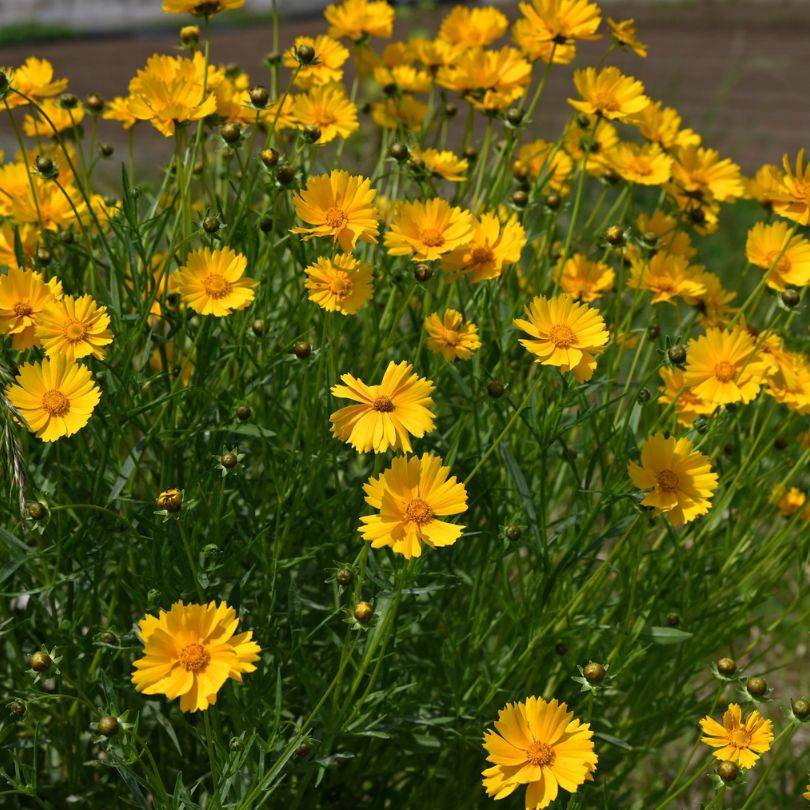
Tickseed
(Coreopsis)
Zones: 3-9
Tickseed is a cheery native perennial that provides a burst of bright color to the summer garden. It's low-maintenance, making it perfectly suited for adding easy-care blooms to borders or even patio containers. No need to worry if your pet takes an accidental nibble of this perennial; tickseed is dog-safe.
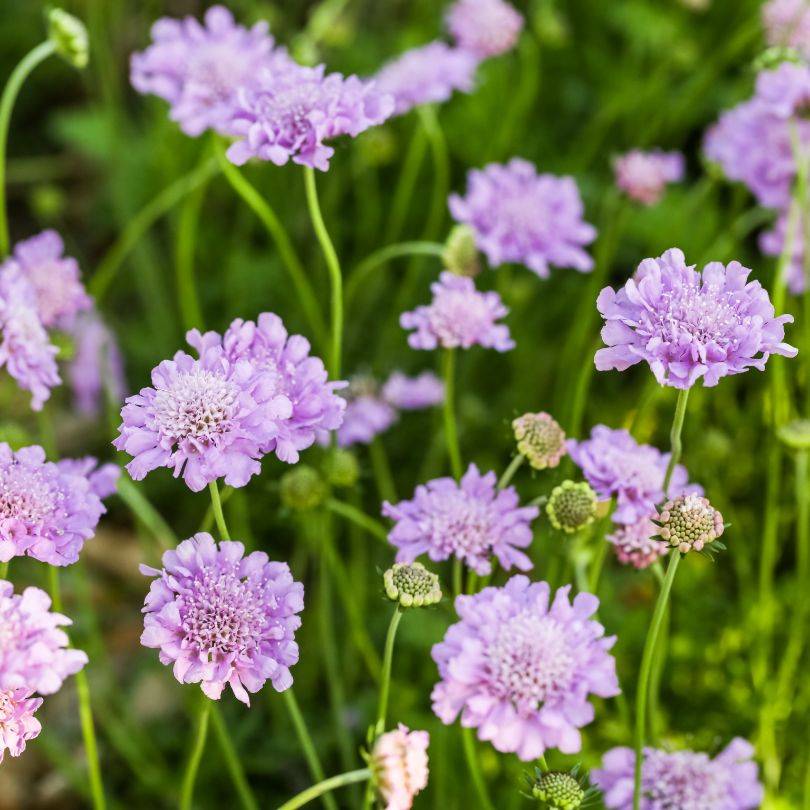
Pincushion Flower
(Scabiosa)
Zones: 3-9
The pincushion flower gets its name from the beautiful pincushion-like flowers that cover the plant all summer long. In ideal growing conditions, pincushion flower is one of the best plants you can grow if you want to attract butterflies to your garden. The flowers and foliage are also dog-friendly and great for planting in family garden spaces.
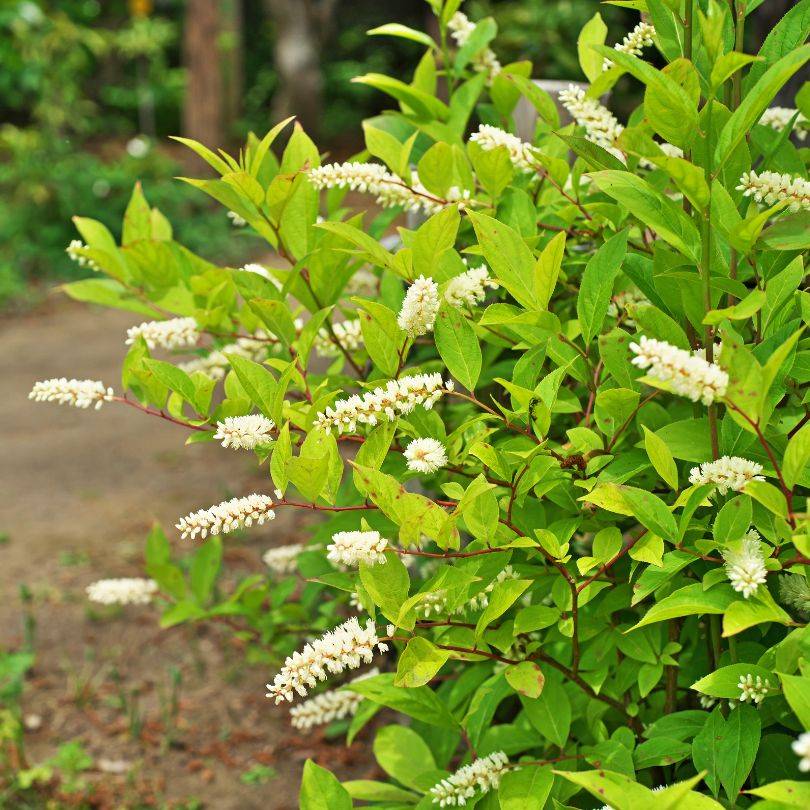
Sweetspire
(Itea)
Zones: 5-9
If you're looking to add multi-season interest to the landscape, consider adding easy-care sweetspire. This native perennial features fragrant white flowers in spring, handsome foliage in summer, and fiery fall color. Sweetspire is also heat-tolerant, deer-resistant, highly fragrant, and dog-friendly.
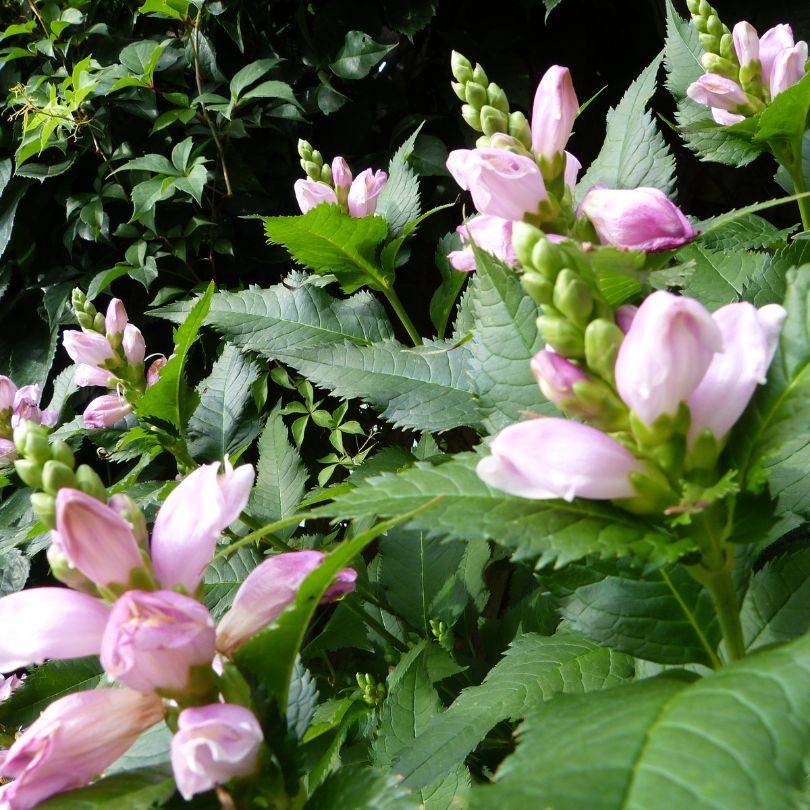
Turtlehead
(Chelone)
Zones: 3-9
Turtlehead is a unique, water-loving plant that is a must-have for rain or woodland gardens. This charming perennial, native to the meadows, streams, and woodlands of the eastern United States, features blooms that emerge in late summer with flower shapes reminiscent of actual turtle heads.
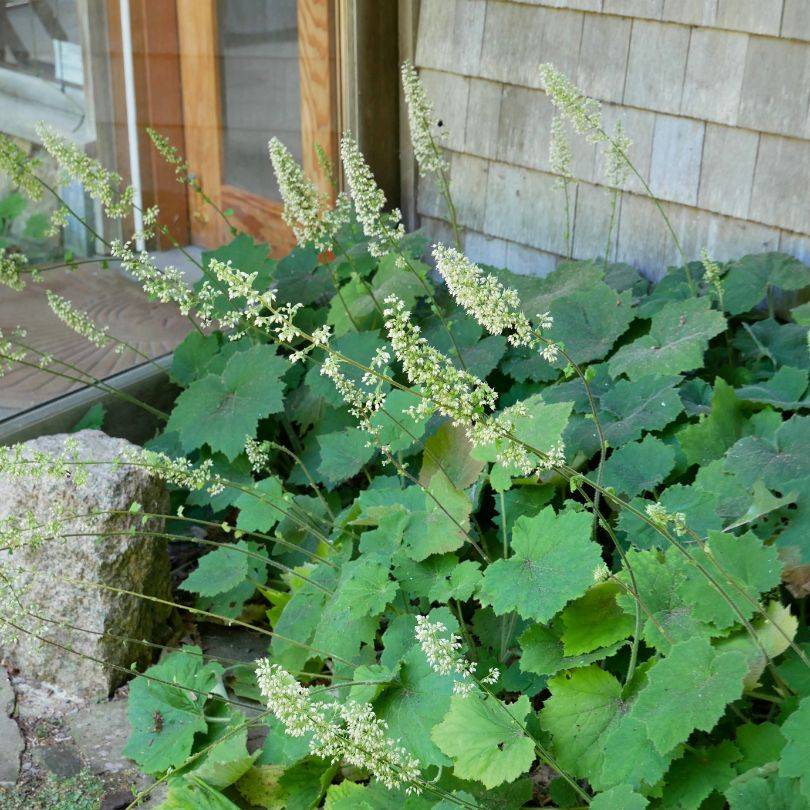
Coral Bells
(Heuchera)
Zones: 4-9
The low-growing habit makes it a versatile landscape addition, carpeting empty areas with fuzzy flower panicles and oak-shaped foliage in summer. It grows well in moist or dry soil sites, even in containers or under trees! Since it's pet-friendly, it also works as a great woodland planting near front doors or family areas.
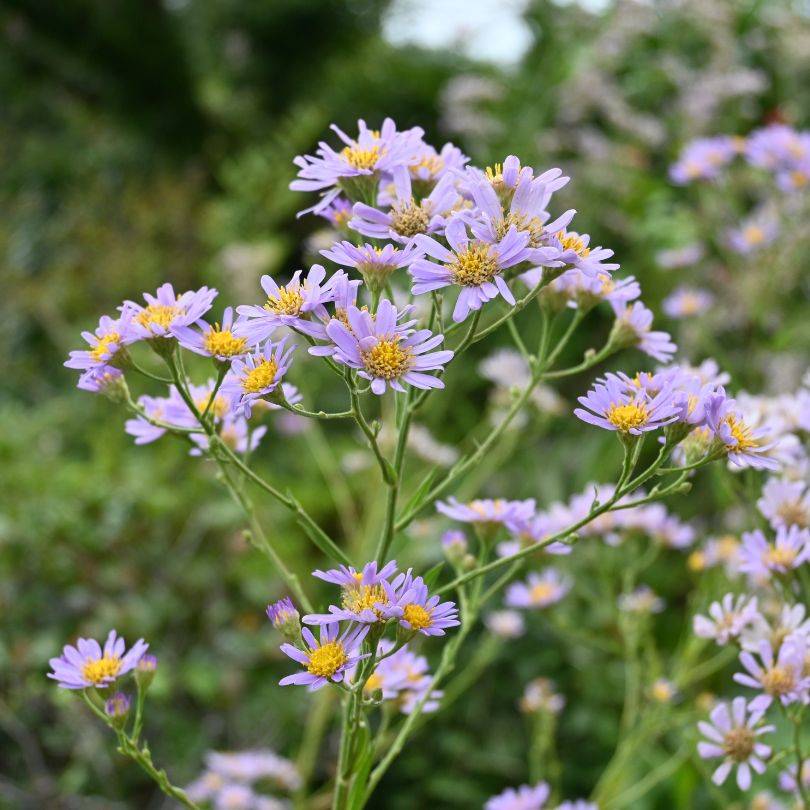
Aster
(Symphyotrichum)
Zones: 3-9
Aster is the perfect perennial for adding vibrant late-season flowers to the garden. The daisy-like flowers are rich in nectar and pollen, a great source of fuel for pollinators during the fall while other resources are scarce. This native perennial is also non-toxic to dogs and cats, making it a safe, pet-friendly alternative to daisies.

Written by: Lindsey Griffith
Lindsey is a Zone 6B gardener and pollinator advocate, educating and providing resource material for building gardens that support pollinators like bees, butterflies, hummingbirds, and other beneficial insects. She is educated in landscape design, pollinator preservation, and the foundations of gardening and is ready to help keep your garden buzzing with activity!
If you have questions, let us know! Comment your questions below or reach out through our contact us page. We have a team of horticulturalists who are here to help!