
Pollinator Plant Spotlight: Seven-son Flower
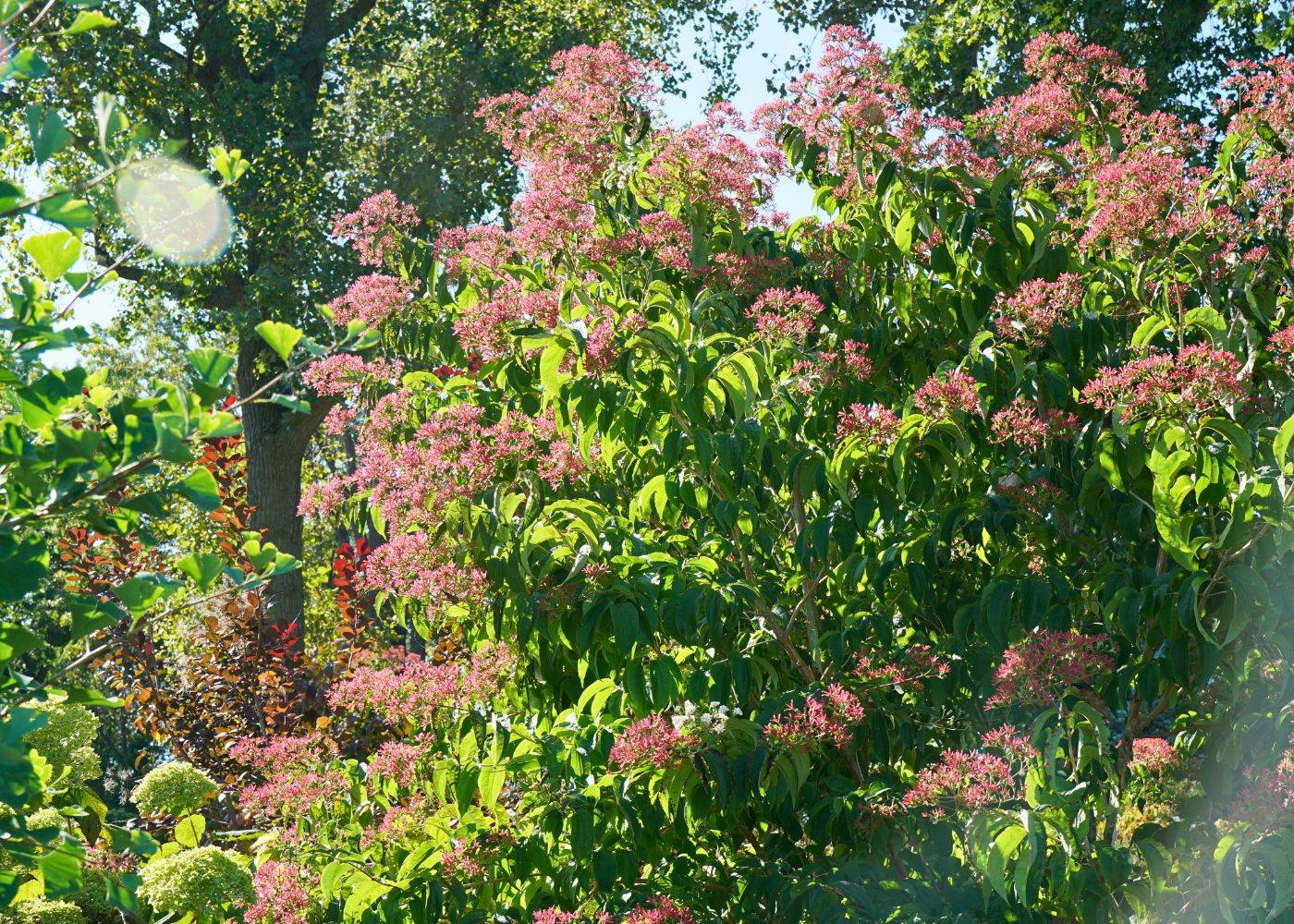
When it comes to attracting pollinators to the landscape, plants like seven-son flower (Heptacodium) do so with ease. This shrub grows in a tree-like habit and features thousands of small, white, nectar-rich flowers in summer that turn vibrant pink in fall. The rich nectar supply is crucial to pollinators late in the season, especially when temperatures are high, and other resources are beginning to wane. Aside from its pollinator appeal, seven-son flower looks good in the landscape year-round and requires little maintenance to keep looking fabulous throughout the seasons. Here, we'll tell you more about seven-son flower and discuss why this pollinator powerhouse belongs in your garden.
3 Reasons You Should Plant Seven-son Flower (Heptacodium)
Four Seasons Of Beauty
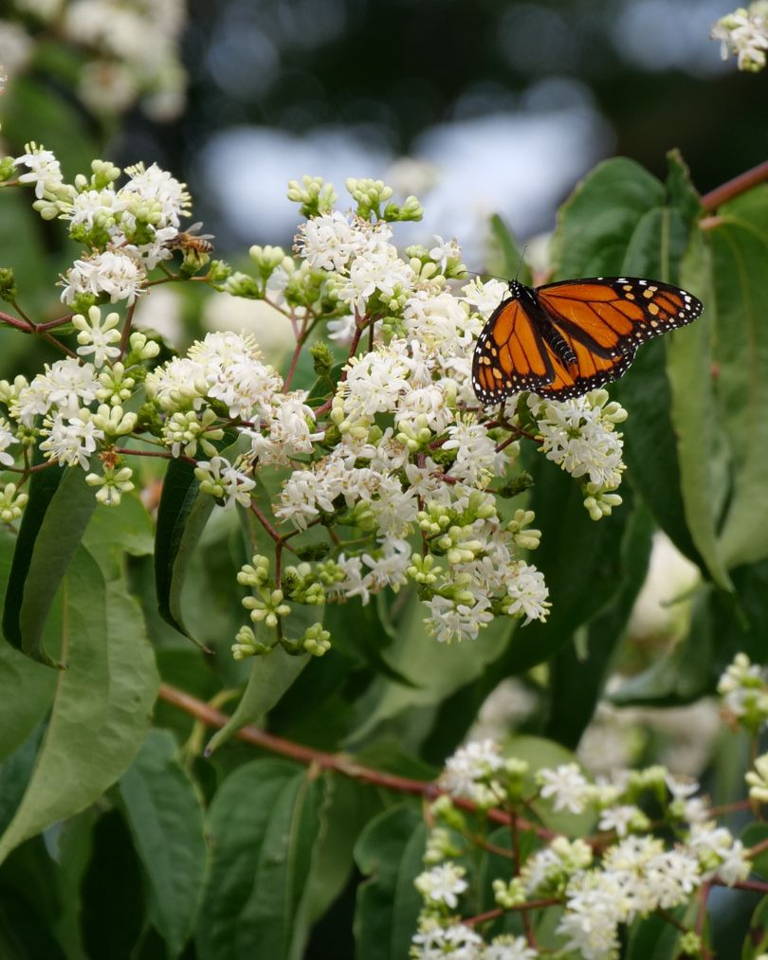
Seven-son flower features delicate white flowers in late summer, with saturated pink/red bracts in fall, adding late-season color to the landscape. Once the flowers fall, the peeling bark takes center stage through winter and spring, adding texture to the garden. This shrub easily provides four-seasons of beauty!
Loved By Pollinators
Thanks to its rich nectar supply and crucial late-summer bloom time, this plant is an absolute favorite of Monarch butterflies, hummingbirds, bumblebees, and pollinators in general. Seven-son flower is also a host plant to the Rawson's Metalmark butterfly, making it a great addition for adding pollinator appeal to nearly any sunny area.
Versatile Landscape Addition

Written by: Lindsey Griffith
Lindsey is a Zone 6B gardener and pollinator advocate, educating and providing resource material for building gardens that support pollinators like bees, butterflies, hummingbirds, and other beneficial insects. She is educated in landscape design, pollinator preservation, and the foundations of gardening and is ready to help keep your garden buzzing with activity!